Why gold prices vary
What the gold price actually means — and why it differs by country
The gold spot price is an internationally quoted benchmark, set in US dollars per troy ounce on global commodity markets. When you look up the gold price in India, the UAE, or Singapore, that number is the spot price converted at the current exchange rate into the local currency. This is why the price in INR changes even when the international dollar price stays flat — the exchange rate is moving underneath it.
Beyond the exchange rate, local market factors push the price you actually pay further above the raw benchmark. In India, import duties add a significant layer on top of the converted price. In the UAE, gold is VAT-exempt but dealer premiums still apply. For jewellery, making charges can add 8–20% or more on top of the metal value. The rate pages and country pages on this site include context for each market so you understand what you are comparing.
Market context
What drives the gold price?
Gold prices respond to a mix of macro and market forces. Understanding the main drivers helps you read daily price moves in context.
US Dollar strength
Gold is priced in USD globally. When the dollar weakens against other currencies, gold typically rises in USD terms as it becomes cheaper for foreign buyers. A stronger dollar usually puts downward pressure on gold.
Real interest rates
Gold pays no yield. When real interest rates (inflation-adjusted) are low or negative, the opportunity cost of holding gold falls and demand rises. Rising real rates tend to weigh on gold prices.
Central bank buying
Central banks in China, India, Poland, and Turkey have been net buyers of gold for several years. Large institutional purchases reduce available supply and support prices over the medium term.
Geopolitical risk
Gold is a traditional safe-haven asset. When geopolitical tensions rise — conflicts, sanctions, or financial instability — investors move into gold, driving prices higher. The premium tends to fade when risks subside.
Inflation expectations
Gold is widely used as an inflation hedge. When inflation expectations rise, buyers seek gold to preserve purchasing power. The relationship is strongest when central banks are seen as behind the curve on rate policy.
ETF and fund flows
Large gold ETFs like SPDR Gold Shares hold hundreds of tonnes on behalf of investors. Significant inflows or outflows from these funds can move the gold price meaningfully in a short period.
Common questions
Gold price questions answered
These are the questions people most commonly ask when checking the gold price for the first time, or when trying to make sense of the difference between a spot price, a rate page, and a dealer quote.
What is the gold price today?
The gold price today is the current market spot price for one gram or one troy ounce of pure gold. It changes continuously during trading hours based on supply, demand, currency movements, and macroeconomic factors. Use the country pages on this site to see the live price converted into your local currency.
Why is the gold price different in India, the UAE, and the USA?
The international gold spot price is set in US dollars per troy ounce. When you see the gold price in India (INR), the UAE (AED), or any other country, that price is the spot price converted at the current exchange rate. Local differences can also reflect import duties, taxes, dealer premiums, and making charges for jewellery — so the number on a jeweller's tag is usually higher than the raw benchmark.
What is the difference between 22k and 24k gold?
24k gold is pure gold (99.9% purity). 22k gold contains 22 parts gold and 2 parts other metals, giving it a purity of about 91.6%. This makes 22k harder and more durable, which is why it is commonly used for jewellery in India and the UAE. The price of 22k gold per gram is lower than 24k because of the lower gold content. Use the rate pages on this site to compare 22k and 24k prices side by side.
How do I calculate how much my gold is worth?
To calculate the value of your gold: multiply the weight in grams by the current spot price per gram, then multiply by the purity fraction (for example 0.916 for 22k gold). The gold value calculator on this site does this automatically — enter your weight, select your purity, and it shows current value, cost basis comparison, and estimated scrap payout.
What is a troy ounce and how does it relate to grams?
A troy ounce is the standard unit used to price gold internationally. One troy ounce equals 31.1035 grams. Most international gold price quotes are given in troy ounces, but many buyers prefer to think in grams because it maps more directly to jewellery weights and smaller purchases. The gold unit converter on this site lets you switch between grams, troy ounces, and kilos instantly.
What is a dealer premium and why does it matter?
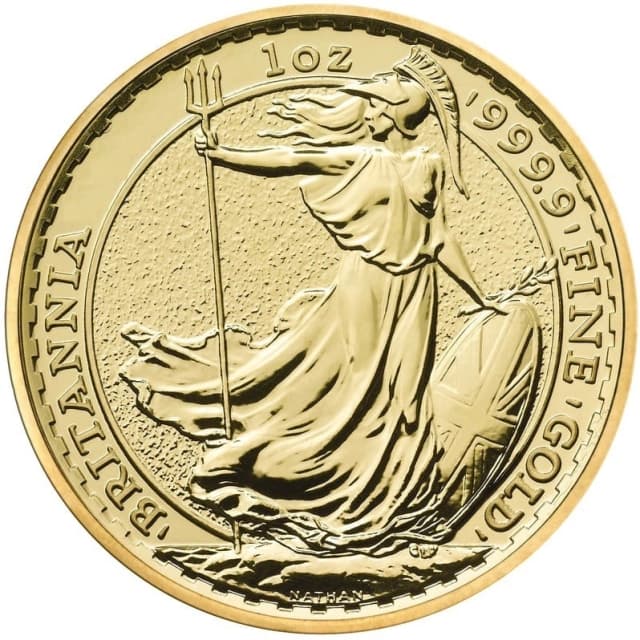
A dealer premium is the amount a seller charges above the spot price when you buy physical gold. It covers manufacturing, distribution, and the dealer's margin. Premiums typically range from 2–10% for standard bullion bars and coins, and can be higher for fractional sizes or collector coins. When you see a price on a gold coin or bar, it is always higher than the live spot price — the difference is the premium.
What causes the gold price to go up?
Gold prices rise when the US dollar weakens, real interest rates fall, central banks buy heavily, geopolitical risk spikes, or inflation expectations increase. ETF inflows from institutional investors can also push gold higher in a short period.
Why does gold go up when the dollar falls?
Gold is priced in US dollars on global markets. When the dollar weakens, gold becomes cheaper for buyers in other currencies, increasing demand and pushing the USD price higher.
Do central banks affect the gold price?
Yes. Central banks in China, India, Poland, and Turkey have been consistent net buyers of gold for several years. Large institutional purchases remove supply from the market and support prices over the medium term.